

Titan Started in a Storm
Into the early nineties, a carp shelter was still a fishing umbrella. A brolly with an infill, or a tent on fibreglass poles.
Kevin had pushed the brolly as far as it would go. Then in 1989, pioneering carp fishing in the Canaries, he sat out near hurricane conditions and saw the limit. Flexible poles flex. When the weather turns, the shelter goes, and the session goes with it.
So he built the first rigid frame bivvy. A pre-formed frame around a central block, fanned out and tensioned into shape in seconds. Stronger, quicker to put up, and with far more usable space inside.
Around it grew a system. Groundsheets, overwraps, infill panels, storm poles and porch extensions, all built to the same frame, all designed to extend the session rather than survive it.
The sport has changed. The weather has not. That is why the formula still works.
Three Decades of Standing Firm

1989
Born In The Canaries
Kevin Nash sat out near hurricane conditions in the Canaries and came home with the answer. The first rigid frame bivvy. The name was not subtle. It did not need to be.

The 90's
The Decade's Default
A plain waterproof infill front and almost no competition. The All Season followed, then a two man version. Nothing else on the bank looked like it. You either owned one or you wanted one.
Viper Era
The Chameleon Effect
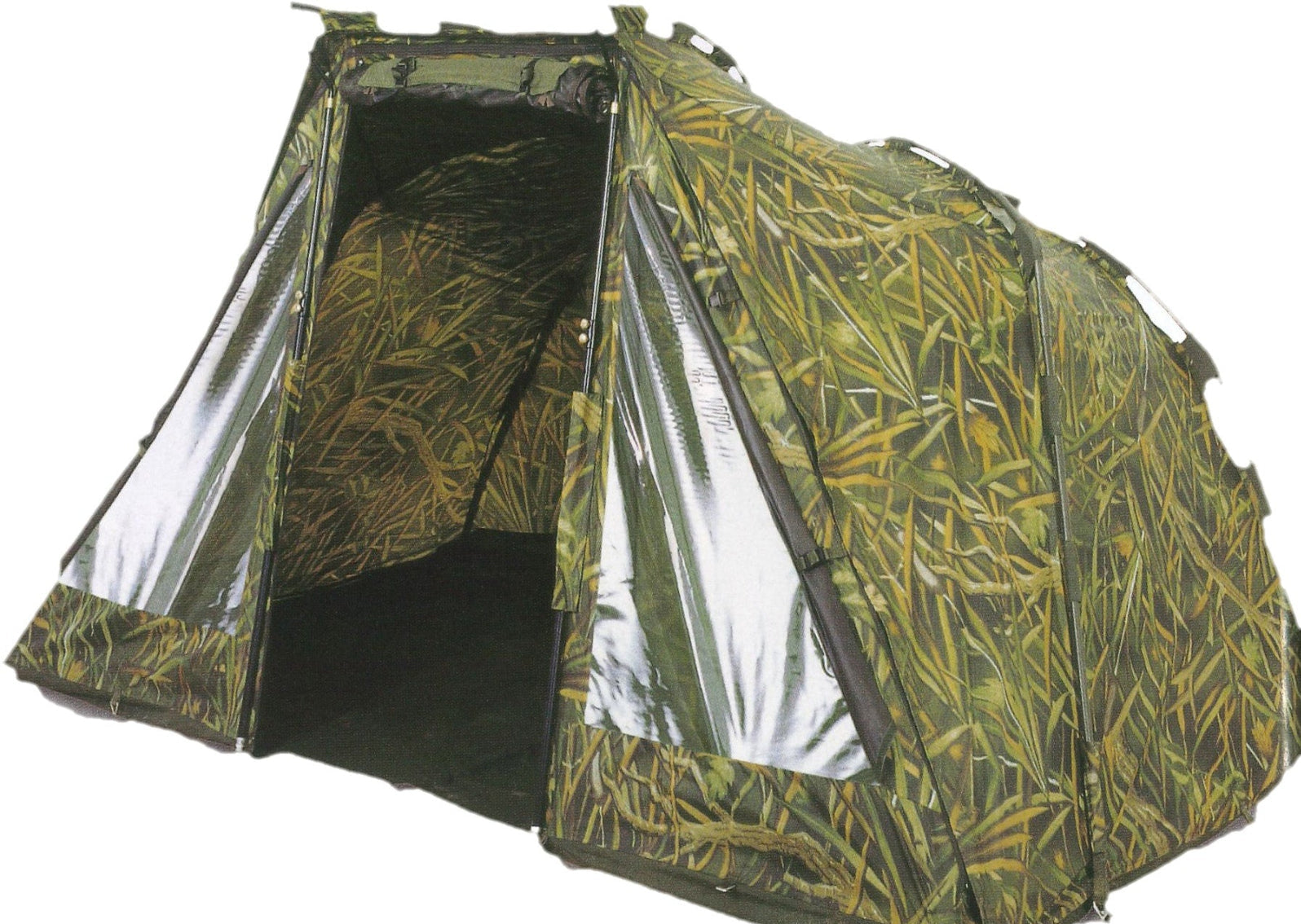
Refinements and new models followed, including the high top, all season Viper. Best remembered of all is the Viper Chameleon, the first bivvy to carry a bespoke camouflage pattern. It set a precedent the Titan Camo models still carry today with Fractured Nature.

2014
The World's First Open Bivvy
The Globetrotter turned the shelter inside out. A sealed mosquito mesh capsule with a sewn in groundsheet, and an extreme overwrap over the top. Built for anglers whose fishing had started crossing borders.

2016
Rebuilt, And In Demand
Redeveloped from the ground up and met with critical acclaim. Demand outstripped supply. Kevin's idea had become the industry standard. The original still set it.
2017
Enter The Hide
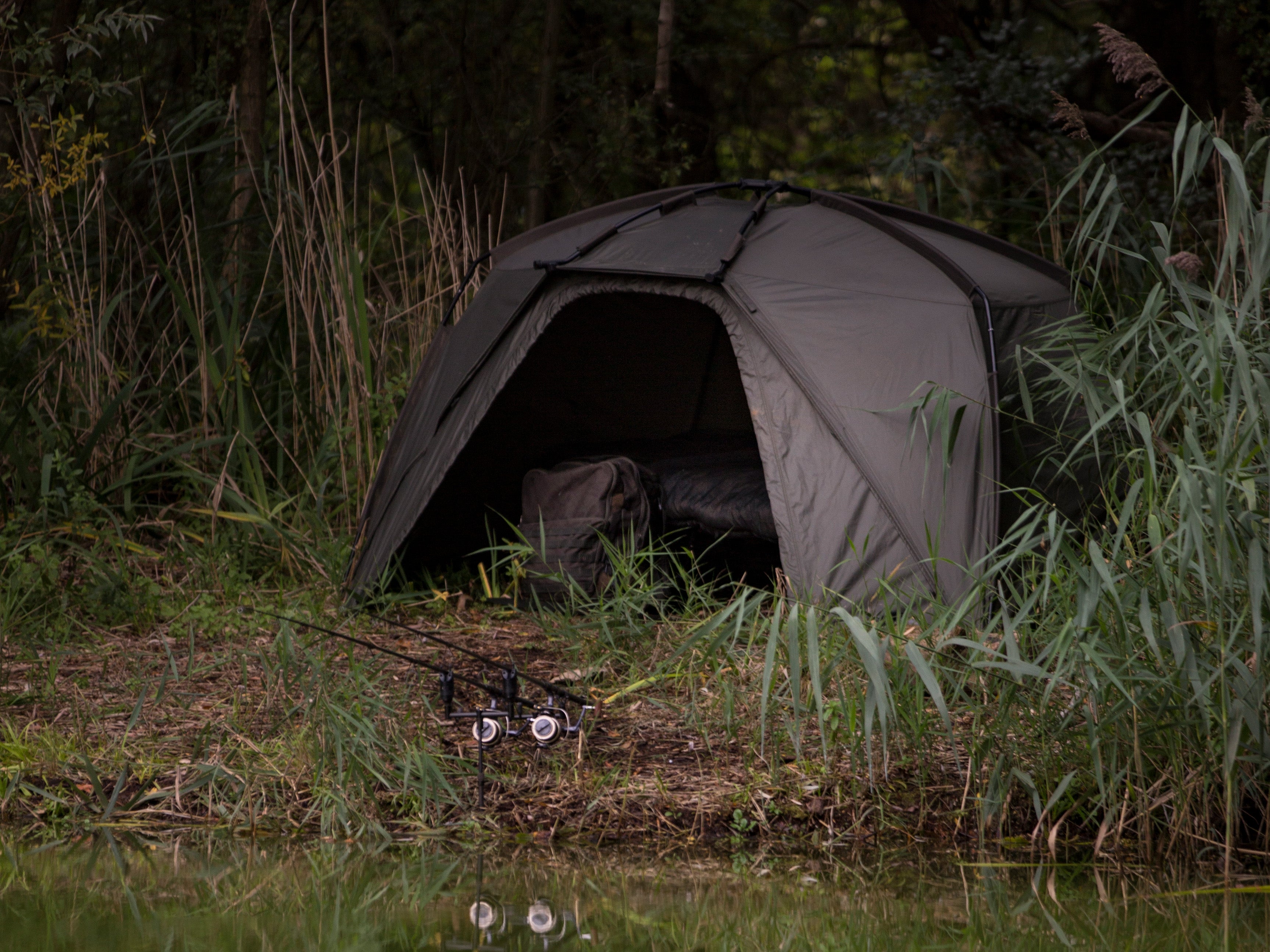
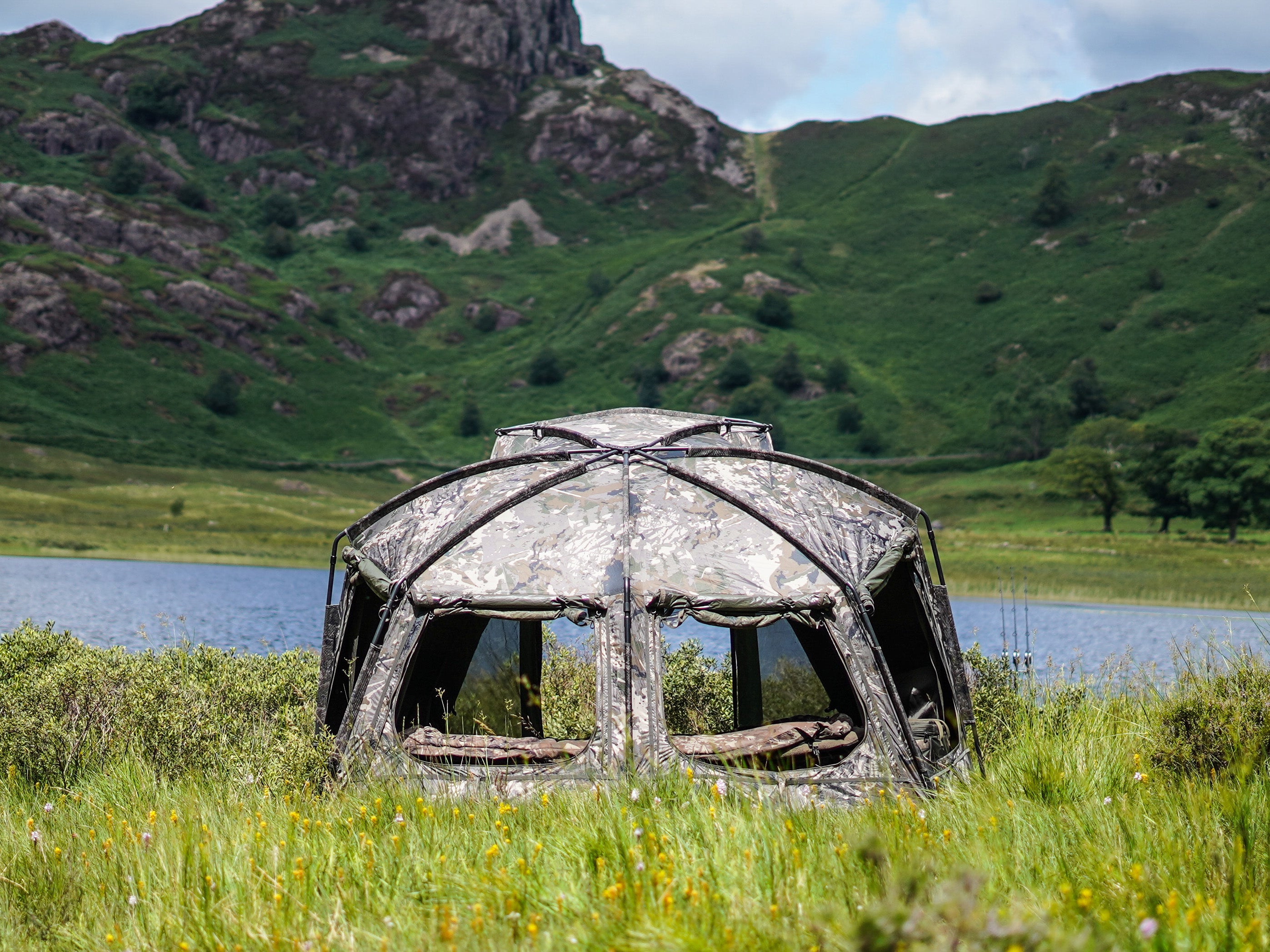
The simplicity of a brolly on the Titan frame and centre block. Quicker to erect, smaller to pack, far stronger. Storm poles unnecessary in anything short of a head on wind.
Today
Three Titans, One Frame
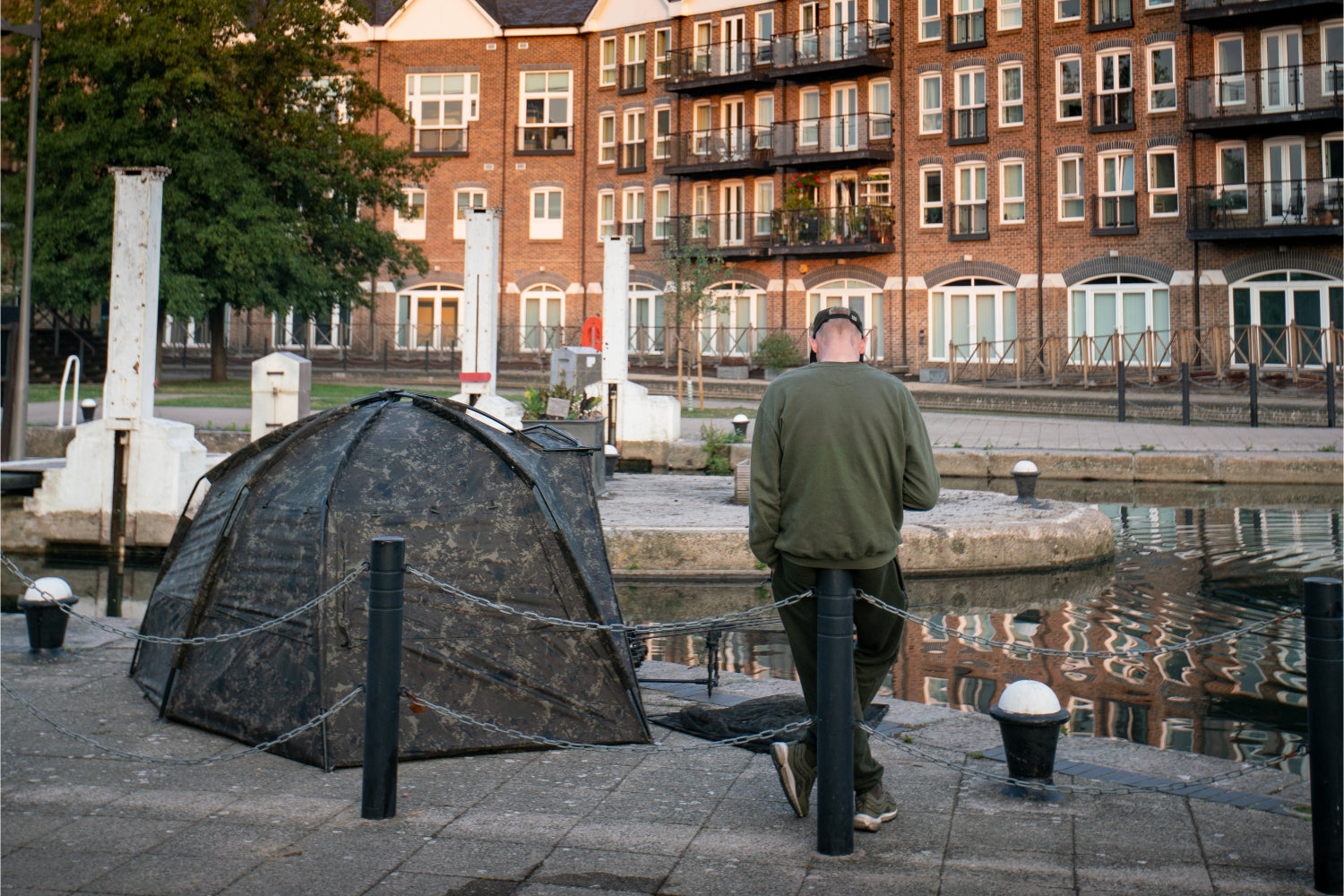
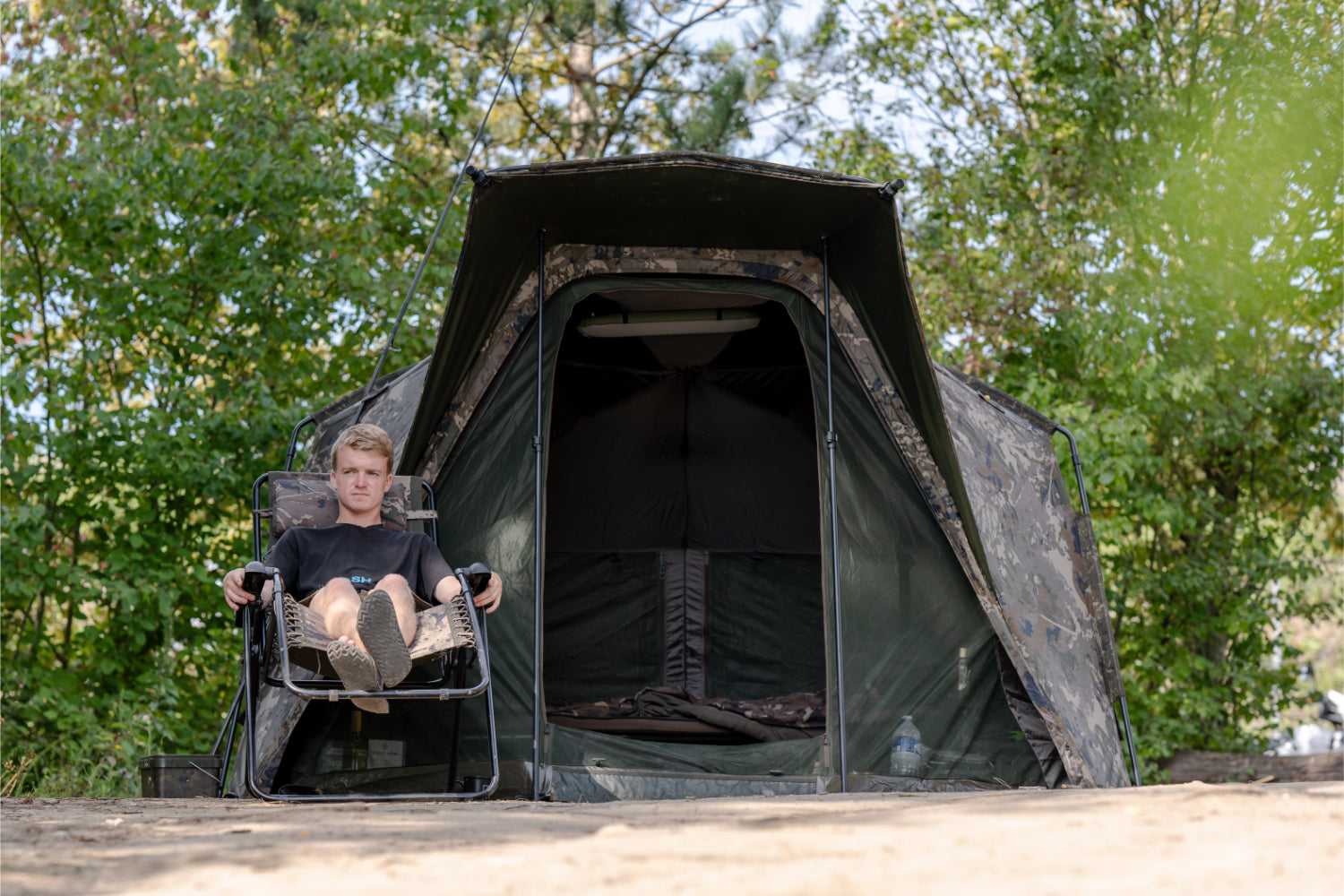
Hide and Hide XL Camo Pro, T1 and T2, T1 and T2 Camo Pro. Increased height frames, internal vapour shields, Aquasense on the Camo Pros. The frame underneath is the one Kevin drew in 1989.
Three Titans. Six Models.


The Titan Centre Block
Every Titan runs through one component. The ribs fan out from it, the tension comes off it, and the shape of the shelter is held by it. It is the reason a Titan goes up in seconds and stays where you put it.
- Fast assembly design, fanned out and erected in seconds
- Upgraded glass filled nylon design, cutting block weight without losing rigidity
- Free standing once tensioned, so pegs position the bivvy rather than hold it up
- Angled tension bar with reverse clip creates a storm peak and stops water pooling
- Carried across all six models, from the Hide Camo Pro to the T2 Camo Pro
Which Titan Is Right For You
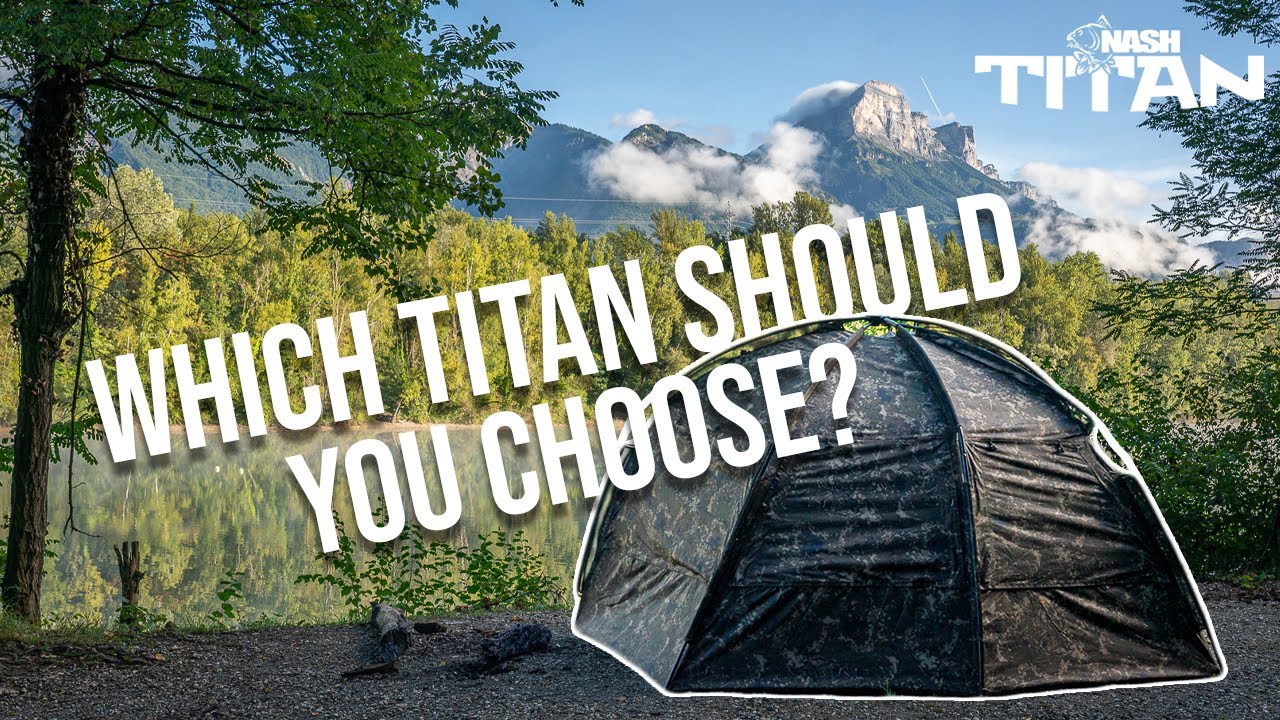
Dimensions only get you so far. Unless the whole range is pitched in front of you, it is hard to know which Titan suits the way you fish. So we set them up side by side and filled them, beds, chairs and luggage, so you can see what goes in each one before you choose.